




How efficient are vertical pumps?
 Jul 16, 2025|
 Hey there! As a supplier of vertical pumps, I get asked a lot about how efficient these pumps really are. So, I thought I'd take a deep dive into this topic and share some insights with you all.
First off, let's understand what vertical pumps are. Vertical pumps are designed with the impeller and shaft in a vertical orientation. This design offers several advantages over other types of pumps, and efficiency is one of the big ones.
Energy Efficiency
One of the key aspects of pump efficiency is energy consumption. Vertical pumps are generally quite energy - efficient. They are designed to minimize the amount of energy needed to move fluids. This is because their vertical design allows for a more direct flow path. The fluid doesn't have to make a lot of sharp turns or go through convoluted passages, which reduces frictional losses.
For instance, in a Stainless Steel Multistage Centrifugal Pump, the multiple impellers work in tandem to increase the pressure of the fluid. Each impeller adds a certain amount of energy to the fluid, and the overall design is optimized to transfer this energy as efficiently as possible. The stainless - steel construction also helps in reducing corrosion, which can otherwise affect the pump's performance and efficiency over time.
Another factor contributing to energy efficiency is the ability of vertical pumps to operate at variable speeds. Many modern vertical pumps are equipped with variable frequency drives (VFDs). These drives allow the pump to adjust its speed according to the actual demand for fluid flow. If the system only requires a small amount of fluid, the pump can slow down, consuming less energy. On the other hand, when there's a high demand, it can speed up to meet the requirement. This kind of flexibility is a huge plus in terms of energy savings.
Space Efficiency
Vertical pumps are also space - efficient. In industrial settings, space is often at a premium. The vertical design of these pumps means they take up less floor space compared to horizontal pumps. This is especially important in facilities where there are many other pieces of equipment that need to be installed.
Take the Vertical Inline Multistage Centrifugal Pump for example. It can be installed directly in a pipeline, which not only saves space but also simplifies the piping layout. The inline design allows for a more compact installation, and the multistage configuration ensures high - pressure performance in a relatively small package.
Maintenance Efficiency
When it comes to maintenance, vertical pumps have some advantages too. Since the impeller and shaft are vertically oriented, it's often easier to access and service certain components. For example, the bearings and seals are more accessible in a vertical pump compared to a horizontal one. This means that maintenance tasks can be carried out more quickly and with less hassle.

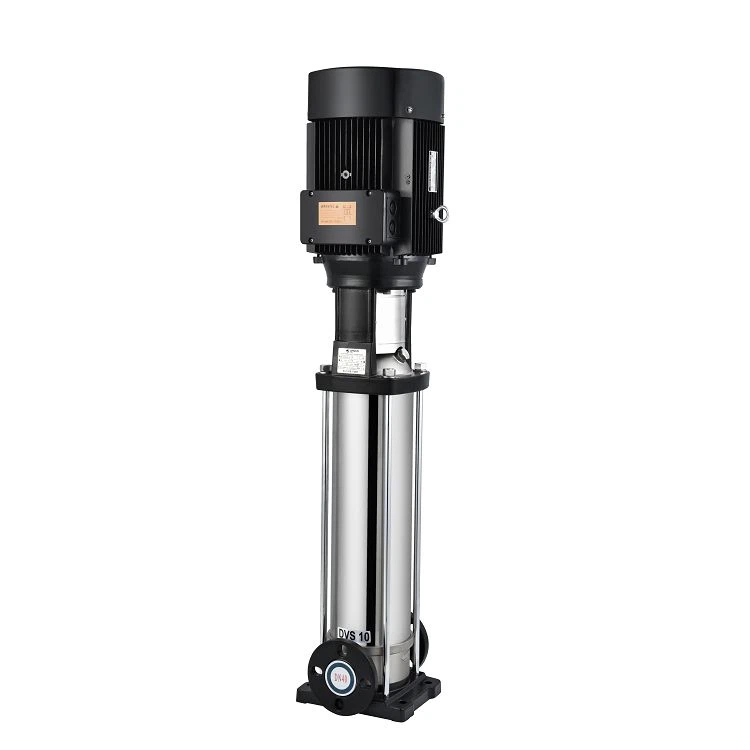
In a Light Vertical Multistage Centrifugal Pump, the lightweight design makes it even easier to handle during maintenance. You don't need heavy - duty lifting equipment to remove and reinstall the pump for servicing. This not only saves time but also reduces the cost associated with maintenance.
Performance Efficiency
The performance of a pump is a measure of how well it can move a certain volume of fluid at a given pressure. Vertical pumps are known for their high - performance efficiency. They can handle a wide range of flow rates and pressures, making them suitable for various applications.
In water supply systems, for example, vertical pumps can be used to lift water from wells or storage tanks and distribute it throughout a building or a community. Their ability to generate high pressures ensures that water can reach even the highest floors of a tall building. In industrial processes, they can be used to transfer chemicals, oil, or other fluids with precision.
However, it's important to note that the efficiency of a vertical pump can be affected by several factors. The type of fluid being pumped is one such factor. Viscous fluids, for example, require more energy to move compared to less viscous ones. The temperature of the fluid can also have an impact. High - temperature fluids may cause the pump components to expand, which can affect the clearances between the impeller and the casing, potentially reducing efficiency.
The installation and operation of the pump also play a crucial role. If the pump is not installed correctly, it may experience cavitation. Cavitation occurs when the pressure in the pump drops below the vapor pressure of the fluid, causing bubbles to form. These bubbles can collapse violently, damaging the impeller and other components, and reducing the pump's efficiency.
To ensure maximum efficiency, it's important to select the right pump for the specific application. Consider the flow rate, pressure requirements, and the characteristics of the fluid. Regular maintenance and monitoring are also essential. By checking the pump's performance regularly, you can detect any issues early on and take corrective actions.
Conclusion
In conclusion, vertical pumps are highly efficient in many aspects. They offer energy savings, space - saving benefits, ease of maintenance, and high - performance capabilities. Whether you're in the water supply industry, the chemical industry, or any other field that requires fluid transfer, vertical pumps can be a great choice.
If you're interested in learning more about our vertical pumps or are looking to make a purchase, I'd love to have a chat with you. We can discuss your specific requirements and find the perfect pump for your needs. Don't hesitate to reach out and start the conversation about how we can help you with your pumping solutions.
References
- "Pump Handbook" by Igor Karassik et al.
- "Centrifugal Pumps: Design and Application" by Heinz P. Bloch and Allan R. Budris.