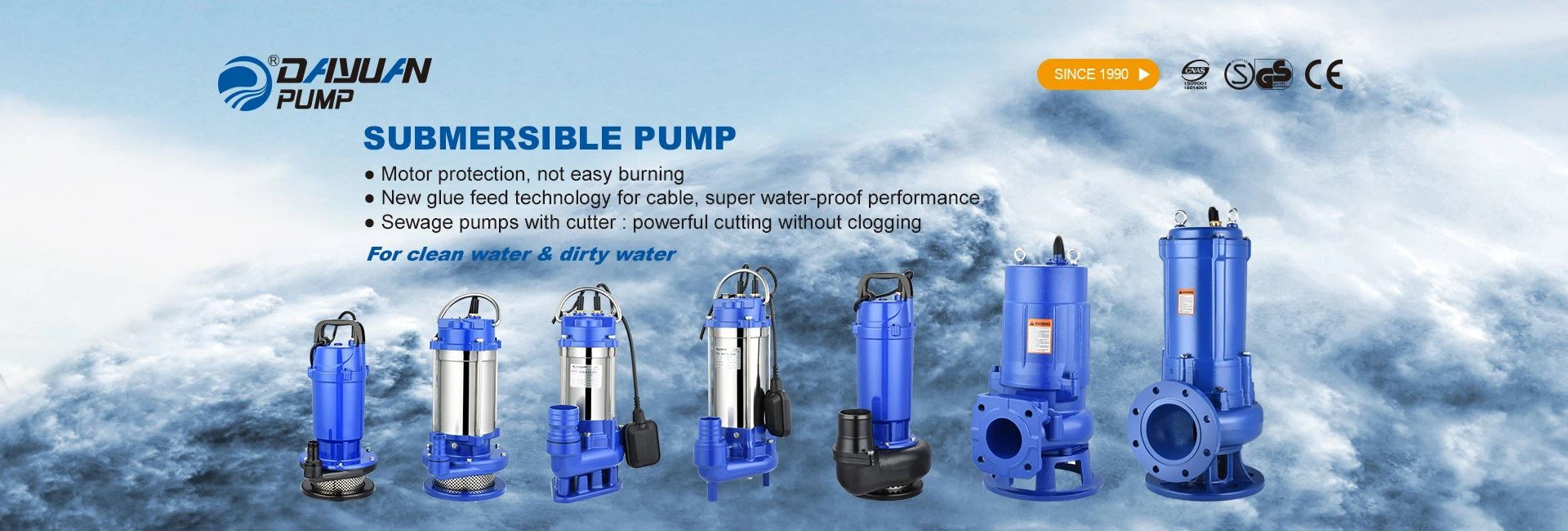
A: A solar pump is a pump that is powered by a solar panel. It uses solar energy to pump water from a source to a desired location.
Q:How does a solar pump work?
A: A solar pump works by using solar energy captured by a solar panel to power a motor which drives the pump. The water is then pumped through pipes to the desired location.
Q:What are the advantages of using a solar pump?
A: The advantages of using a solar pump include reduced energy costs, no external power source required, low maintenance, and environmentally friendly.
Q: What types of solar pumps are available?
A: There are several types of solar pumps available, including surface pumps, submersible pumps, and pool pumps.
Q:What factors should be considered when choosing a solar pump?
A: Factors to consider when choosing a solar pump include the desired flow rate, water depth, operating voltage, and the type of pump required for your specific application.
Q: How can a solar pump benefit rural areas?
A: A solar pump is an ideal solution for rural areas where electricity supply is limited or unavailable. It can provide a reliable and cost-effective source of water for irrigation, livestock, and household use.
Q:Can a solar pump work at night?
A: A solar pump will only work during daylight hours when solar energy is being captured by the solar panel. However, some systems may have a backup battery to allow for operation at night or during periods of low sunlight.
Q:What is the Temperature of the Substance to Be Pumped?
A: Great care must be taken when the substance being pumped is at a high temperature. If this liquid is close to its boiling point, even a slight increase in the temperature or pressure may cause it to transform into a gas. This is known as cavitation and it can damage the pump quickly if it isn’t addressed.
Q:Where Will the Pump Be Operated?
A: A pump operating on a climate-controlled factory floor will have different needs than pumps that operate in extreme conditions such as freezing temperatures or extreme heat. Some environments may contain a lot of dust or even explosive gases that must be accounted for when selecting the right pump.
Q:Is the Pump Critical to the Operation?
A: If the pump simply cannot be out of service for any reason–i.e. cannot be taken offline for repairs then reliability is the most important factor in the decision as to what pump would work best. This is where a heavy-duty industrial pump might be the best option.
Q: Why Is My Pump Running Hot And Powering Off?
A: This maybe caused by insufficient power due to an undersized wire or a poor connection. Check your owner’s manual for proper wiring.
Your local power company might be experiencing a power drop especially during a heat wave. Restart your pump when the weather cools to confirm that the problem is really in the motor. Your pump has a thermal overload, which will shut the motor off when it gets too hot—it will restart once it has cooled down. Check the air intake vents of your motor to ensure they are free of debris. If debris is blocking these vents, it will cause the motor to run hot and possibly shut down.
Make sure your pump is located in an area with adequate drainage. Flooding from rain and other sources could cause a pump to run hot and cut off.
Q: 12.What is the advantages of centrifugal pump?
A: A centrifugal pump takes up little floor space relative to say a plunger pump and weighs comparatively little so minimal structural reinforcement is required for the load bearing floor space. It has a low initial cost as well as low maintenance cost since all motion is rotary and there are no sensitive parts such as the valves in a plunger pump. No air vessels or alleviators are required. It can be keyed directly to a power source as it generally has high working speeds and hence needs no stepping. A centrifugal pump has the ability to handle muddy,dirty and corrosive liquids it can pump water at temperatures of up to 400 and circulate oil at high temperatures providing it reaches the pump at high pressure ie. a full pressure system. There is little if any vibration and the discharge of liquid is continuous and without shock and the flow can be controlled from full flow to no flow without shutting the pump down or damaging the pump or pipes providing suitable switching gear has been installed.
Q: What exactly is a positive displacement pump?
A: A positive displacement pump emits a given volume of fluid for each revolution of the motor. Bellows, double-diaphragm, flexible impeller, gear, oscillating, piston, progressing cavity, rotary lobe, rotary vane, and peristaltic pumps are all positive displacement pumps.
Q: Which pumps can I run dry?
A: Peristaltic, piston pumps with ceramic heads, bellows pumps, and diaphragm pumps can be run dry for any length of time. Centrifugal, rotary vane, and gear pumps should not be run dry; exceptions are if the gear or impeller is made of a self-lubricating material such as RYTON in which case the pump can be run for a few minutes while priming.
Q:What is the maximum viscosity rating for pumps?
A: Peristaltic, piston pumps with ceramic heads, bellows pumps, and diaphragm pumps can be run dry for any length of time. Centrifugal, rotary vane, and gear pumps should not be run dry; exceptions are if the gear or impeller is made of a self-lubricating material such as RYTON in which case the pump can be run for a few minutes while priming.
Q:What pumps do you carry that will handle particulates?
A: Diaphragm pumps, bellows pumps and peristaltic pumps will work well. When choosing materials, consider chemical compatibility and resistance to wear. Use a pump with larger fittings so they don't clog as easily.
Q:When do you need to perform maintenance on pumps?
A: This depends on the pump and the application. In general, diaphragms on metering pumps last about 6 to 12 months; gears on gear pumps last about 3 to 6 months; and motors usually last for years. DC motors require periodic brush replacement. It is important to monitor brush wear; normally brushes should be replaced every 6 months.
Q:How does viscosity affect a pump?
A: Viscosity affects centrifugal pumps to a different extent than it does PD pumps. First, viscosity is a value relating the physical property of a fluid resistance to flow. Water having a very low viscosity and molasses has an extremely high value. The some liquids change the viscosity the more they are made to flow and under temperature changes. For the most part a centrifugal pump has a very low limit of how thick or viscid the liquid is it is pumping. On the other hand a PD pump by its naturally low volume operation, slow speed and fixed volume operation, tend to handle high viscosity fluids with ease. PD pumps are the preferred choice. In either case consideration needs to be made for the high power (BPH) required or reduced flow rates.
Q:What is the maximum water depth a solar pump can handle?
A: The maximum water depth a solar pump can handle depends on the specific model and application. It is important to choose a pump that is designed for the water depth in your particular situation.
Q:Where should you place the solar array?
A: The solar array is best positioned facing south or west but, in general, can be placed anywhere except facing north. (Special mounting may facilitate mounting with a northern exposure.) Make sure that there will be no shadows blocking the solar array during peak run times. Determining the location of the solar panels will then determine the length of electrical wire and thusly, the appropriate size of the electrical wire and the effect on the installation cost.


 Language