Recessed Impeller Design
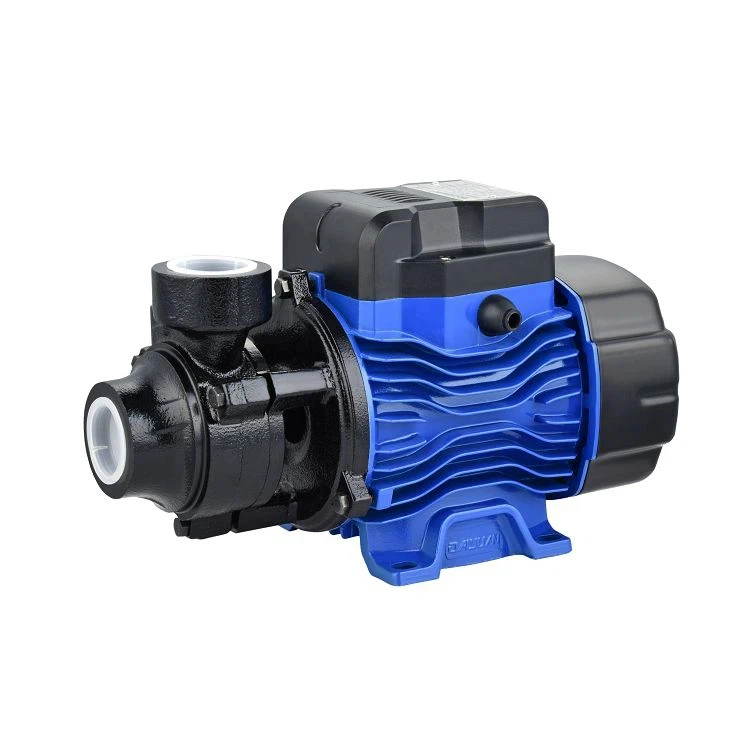
A vortex pump features a recessed impeller that sits outside the main flow path of the fluid. This design creates a vortex or whirlpool within the pump casing, which helps move the fluid and suspended solids through the pump.
01
Reduced Wear and Clogging
Since the impeller is recessed and not directly in the flow path, there is less contact between the impeller and the solids in the fluid. This reduces wear on the impeller and minimizes the risk of clogging.
02
Handling of Solids and Abrasives
Vortex pumps are capable of handling large, soft solids and fibrous materials, as well as abrasive substances, without significant damage. This makes them ideal for wastewater treatment, industrial processes, and applications involving slurry or sewage.
03
Non-Overloading Characteristics
These pumps often have non-overloading power characteristics, meaning they will not draw excessive power regardless of the operating conditions, which helps protect the pump and motor from damage.
04
Gentle Pumping Action
The gentle pumping action created by the vortex motion reduces shear forces on the fluid and its contents, making vortex pumps suitable for delicate or shear-sensitive materials.
05

The Vortex Pump, also known as a whirlpool pump, operates by harnessing the power of a swirling vortex to efficiently handle various types of materials such as liquid, sludge, and solids. This innovative concept allows for the effective movement and management of substances that may pose challenges for traditional pumps. With its unique mechanism, the Vortex Pump has found diverse applications across different industries due to its ability to tackle a wide range of materials.
Vortex pumps, commonly used for handling fluids with suspended solids, abrasive materials, or fibrous substances, come in several types based on their design and specific applications. Here are some common types of vortex pumps:
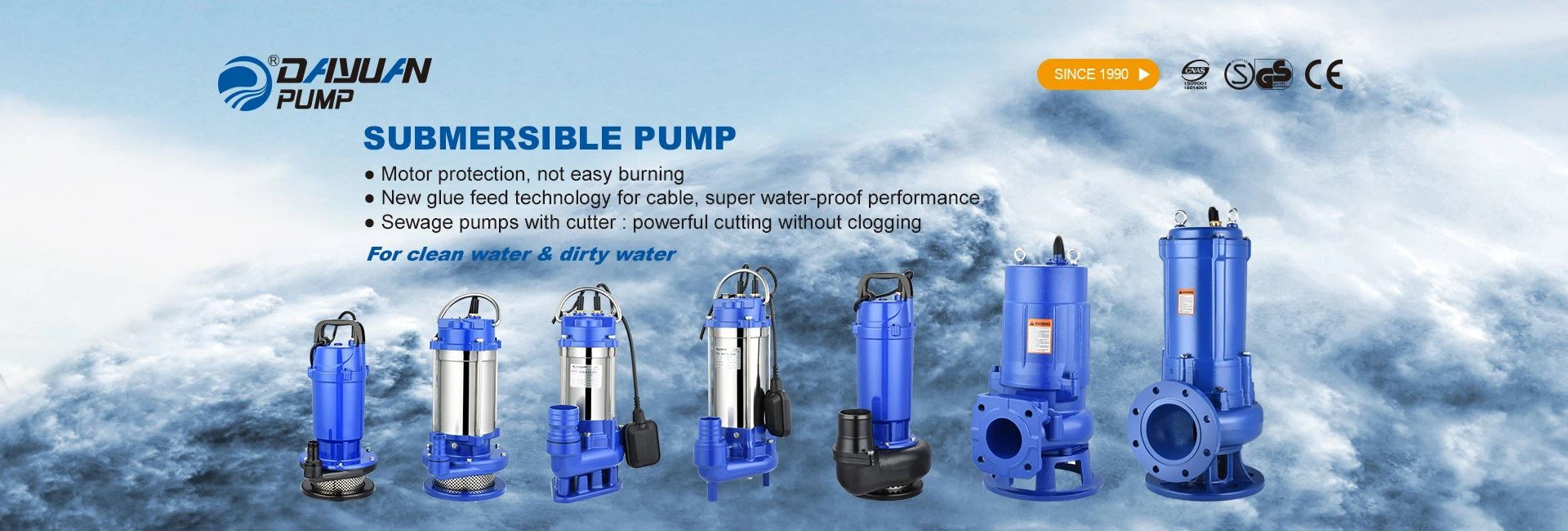
Submersible Vortex Pumps
These pumps are designed to be submerged in the fluid they are pumping. They are often used in wastewater treatment plants, sewage systems, and other applications where the pump needs to operate underwater.
Vertical Vortex Pumps
These pumps have a vertical shaft orientation and are typically used in applications where space is limited or where the pump needs to be installed in a sump or pit.
Horizontal Vortex Pumps
These pumps have a horizontal shaft and are often used in applications where the fluid needs to be transported over a distance horizontally. They can be connected directly to pipelines and are easy to maintain.
Self-Priming Vortex Pumps
Self-priming vortex pumps are capable of removing air from the suction line and starting to pump without the need for manual priming. This feature makes them convenient for applications where the suction line may not always be full of liquid.
Close-Coupled Vortex Pumps
Close-coupled vortex pumps have the pump and motor mounted together on a single shaft, reducing the overall footprint and simplifying alignment. This design can be more compact and easier to install.
Cantilever Vortex Pumps
These pumps are designed with a cantilevered shaft (no bearings or seals in the pumped fluid), making them ideal for handling abrasive and corrosive slurries. They are typically used in sump applications where the fluid level may vary.
End-Suction Vortex Pumps
These pumps have the suction inlet at one end and the discharge outlet at the top, making them suitable for various liquid transfer applications. They are simple in design and widely used.
Multistage Vortex Pumps
Multistage vortex pumps have multiple impellers arranged in series to provide higher pressures. They are used when a single-stage pump does not meet the pressure requirements.
Portable Vortex Pumps
These pumps are designed for mobility and ease of transportation. They are typically lightweight and used in temporary or emergency applications.
Wastewater Treatment
The concept of the Vortex Pump has revolutionized the wastewater treatment industry. Its efficient handling of solids makes it an invaluable asset in wastewater treatment plants. By utilizing the swirling vortex mechanism, the pump can effectively manage and transport solid waste, contributing to the overall efficiency of wastewater treatment processes.
Industrial Processes
In industrial settings, the Vortex Pump finds extensive applications in handling abrasive or viscous materials. Its ability to efficiently handle a wide range of substances makes it an ideal choice for industries dealing with challenging materials. Whether it’s abrasive slurries or highly viscous liquids, the Vortex Pump’s unique concept enables seamless material handling, enhancing operational efficiency in various industrial processes.
About Maintenance of Vortex Pump
1. When the vortex pump pressure or flow rate decreases:
First of all, cut off the power of the vortex pump to see if the air inlet is blocked and check the air inlet filter, but do not remove the filter, otherwise it will suck debris into the air intake pump, resulting in damage to the air pump.
Secondly, if any debris is found inside the machine and the rubber covers the electromagnet, causing the electromagnet to fail to recover, the casing of the vortex gas pump should be opened to clean up the internal debris, and then a small hole is drilled in the rubber skin. Remove the negative pressure generated by the adsorption.
The lack of motor phase or wrong direction of operation is also a cause of such failures. At this time, check and reconnect the power supply. If the motor is burned out, replace the same type of motor. The single-phase motor should check whether the capacitor is in good condition and the wiring is correct. .
2. When the vortex pump noise becomes large:
First of all, check whether there is any debris in the pump body of the vortex pump, and if so, open the housing and clean up the internal debris;
Secondly, check whether the impeller is stuck. At this time, it is best to contact the manufacturer for repairs. Reassembly is required to eliminate the fault.
Finally, check the bearing for damage and replace the bearing if necessary.
3. When the body temperature of the vortex pump increases:
First of all, check whether the air inlet is blocked and clean the air inlet filter, but it cannot be removed, otherwise it will suck in debris and damage the mechanical equipment. At the same time, please keep the air pump working time gap.
Next, check for any debris in the body, open the cover, and clean up the interior debris.
As one of the leading vortex pumps suppliers in China for over 30 years, we warmly welcome you to buy cheap vortex pumps in stock here from our factory. All our products are with high quality and competitive price. For pricelist, contact us now.
Light Vertical Multistage Centrifugal Pump, Chiller circulation pump, large submersible pump