




How to improve the volumetric efficiency of a vertical pump?
 Sep 30, 2025|
 Hey there! As a supplier of vertical pumps, I've seen firsthand how crucial volumetric efficiency is in these machines. Volumetric efficiency, simply put, is the ratio of the actual volume of fluid pumped to the theoretical volume that the pump could displace. In other words, it tells us how well the pump is doing its job of moving fluid. A higher volumetric efficiency means more fluid gets moved with less energy, which is great for both performance and cost - savings. So, let's dive into some ways to improve the volumetric efficiency of a vertical pump.
1. Proper Pump Selection
First things first, choosing the right pump for the job is super important. You wouldn't use a small car to tow a large trailer, right? Similarly, using an undersized or oversized vertical pump can lead to poor volumetric efficiency. When you're selecting a pump, consider factors like the required flow rate, head, and the type of fluid you're pumping.

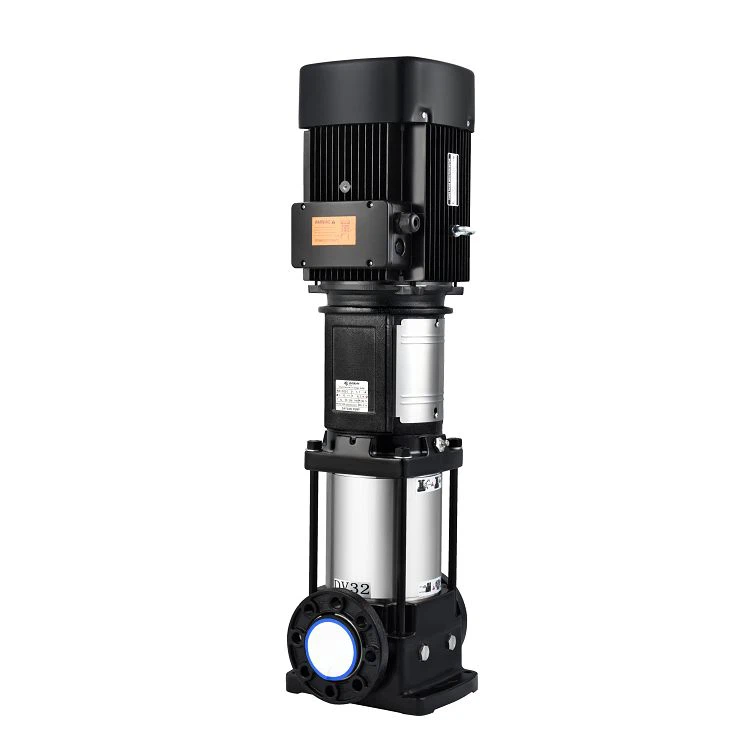
For instance, if you need to pump a large volume of water at a relatively low head, a Light Vertical Multistage Centrifugal Pump might be a great choice. These pumps are designed to handle different flow and head requirements efficiently. On the other hand, if you're dealing with corrosive fluids, a Stainless Steel Multistage Centrifugal Pump would be more suitable as it can resist corrosion and maintain its efficiency over time.
2. Regular Maintenance
Just like your car needs regular oil changes and tune - ups, vertical pumps need proper maintenance to keep running at peak efficiency. One of the key maintenance tasks is checking and replacing worn - out parts. The impeller, for example, is a critical component of the pump. Over time, it can get worn due to friction with the fluid and any particles in it. A worn impeller won't be able to move the fluid as effectively, which reduces volumetric efficiency.
Seals are another important part. Leaky seals can cause fluid to bypass the pumping mechanism, leading to a loss of efficiency. Make sure to inspect the seals regularly and replace them if they show signs of wear or damage. Also, keep the pump clean. Dirt and debris can build up inside the pump, blocking the flow of fluid and reducing its efficiency.
3. Optimize the Suction System
The suction system plays a huge role in the volumetric efficiency of a vertical pump. A poorly designed or maintained suction system can lead to cavitation, which is a major enemy of pump efficiency. Cavitation occurs when the pressure in the suction line drops too low, causing the fluid to vaporize. When these vapor bubbles collapse, they can damage the pump components and reduce its ability to pump fluid.
To prevent cavitation, ensure that the suction line is properly sized. A line that's too small can cause high - velocity flow and low pressure, increasing the risk of cavitation. Also, keep the suction line free from obstructions. Any blockages can disrupt the flow of fluid and lead to pressure drops.
The elevation of the pump relative to the fluid source is also important. If the pump is too high above the fluid level, it may have trouble drawing in the fluid, which can reduce volumetric efficiency. Adjust the pump's position if necessary to ensure a smooth suction process.
4. Control the Operating Conditions
The way you operate the pump can have a big impact on its volumetric efficiency. Running the pump at the wrong speed is a common mistake. Most pumps are designed to operate within a specific speed range for optimal efficiency. If you run the pump too fast, it can cause excessive wear on the components and increase the risk of cavitation. On the other hand, running it too slow may not generate enough pressure to move the fluid effectively.
Use a variable - speed drive (VSD) to control the pump speed. A VSD allows you to adjust the pump speed according to the actual demand, which can significantly improve volumetric efficiency. For example, if the demand for fluid is low, you can reduce the pump speed to save energy and still maintain an acceptable flow rate.
5. Monitor and Analyze Performance
You can't improve what you don't measure. Regularly monitor the performance of the pump to identify any issues that may be affecting its volumetric efficiency. Keep track of parameters like flow rate, head, power consumption, and temperature. If you notice any sudden changes in these values, it could be a sign of a problem.
Use data - logging equipment to record the performance data over time. Analyze this data to look for trends and patterns. For example, if you see a gradual decrease in flow rate over a period of time, it could indicate that the pump components are wearing out and need to be replaced.
6. Upgrade the Pump Technology
As technology advances, there are always new and improved pump designs available. Consider upgrading your vertical pump to a more modern model if your current one is outdated. Newer pumps often incorporate features like better impeller designs, more efficient motors, and advanced control systems that can significantly improve volumetric efficiency.
For example, a Vertical Inline Multistage Centrifugal Pump may offer better performance and efficiency compared to an older - style pump. These pumps are designed to provide high - pressure output with relatively low energy consumption.
In conclusion, improving the volumetric efficiency of a vertical pump requires a combination of proper selection, regular maintenance, optimization of the suction system, control of operating conditions, performance monitoring, and potentially upgrading the pump technology. By following these steps, you can ensure that your vertical pump operates at its best, saving you money on energy costs and reducing the need for frequent repairs.
If you're in the market for a vertical pump or need advice on improving the efficiency of your existing pump, don't hesitate to reach out. We're here to help you find the right solution for your needs. Whether you're looking for a Light Vertical Multistage Centrifugal Pump, a Stainless Steel Multistage Centrifugal Pump, or a Vertical Inline Multistage Centrifugal Pump, we've got you covered. Let's start a conversation about how we can meet your pumping requirements and improve your operations.
References
- "Pump Handbook" by Igor J. Karassik et al.
- "Centrifugal Pumps: Design and Application" by Heinz P. Bloch and Allan R. Budris.