




How to maintain a vertical turbine pump?
 Aug 15, 2025|
 Hey there! As a supplier of vertical pumps, I've seen firsthand how important it is to keep these machines in tip - top shape. Vertical turbine pumps are used in a wide range of applications, from water supply systems to industrial processes. So, let's dive into how to maintain a vertical turbine pump.
Regular Inspections
First things first, regular inspections are a must. You can't just set it and forget it! You should check the pump at least once a month, but if it's in heavy - duty use, more frequent checks might be needed.
Start by looking at the exterior of the pump. Check for any signs of corrosion, cracks, or loose parts. Corrosion can eat away at the pump's components over time, and cracks can lead to leaks. Loose parts can cause vibrations, which not only reduce the pump's efficiency but can also damage other components.
Next, take a look at the motor. The motor is the heart of the pump, and any issues here can bring the whole system down. Check the motor's wiring for any signs of fraying or damage. Also, make sure the motor is properly lubricated. A well - lubricated motor runs more smoothly and has a longer lifespan.
Don't forget to inspect the impeller. The impeller is responsible for moving the fluid through the pump. Look for any signs of wear or damage, like chips or cracks. If the impeller is damaged, it won't be able to move the fluid as efficiently, which can lead to reduced performance.
Lubrication
Lubrication is key to keeping your vertical turbine pump running smoothly. There are different parts of the pump that need lubrication, such as the bearings and the motor.
For the bearings, use a high - quality lubricant recommended by the pump manufacturer. Over - lubricating can be just as bad as under - lubricating. Too much lubricant can cause overheating, while too little can lead to increased friction and wear.
When it comes to the motor, follow the manufacturer's guidelines for lubrication intervals. Some motors have sealed bearings and don't require regular lubrication, while others need it at specific intervals.
Alignment
Proper alignment of the pump and motor is crucial. Misalignment can cause excessive vibrations, which can damage the pump's components and reduce its efficiency.
To check the alignment, you can use a laser alignment tool. This tool can accurately measure the alignment between the pump and the motor. If you find that the pump and motor are misaligned, you'll need to adjust them. This might require some technical know - how, so if you're not comfortable doing it yourself, it's best to call in a professional.
Cleaning
Keeping the pump clean is another important aspect of maintenance. Over time, dirt, debris, and sediment can build up inside the pump, which can clog the impeller and reduce its performance.
You can clean the pump by flushing it with clean water. If there's a lot of buildup, you might need to use a mild cleaning solution. Make sure to follow the manufacturer's instructions when using any cleaning agents.
Also, clean the intake strainer regularly. The intake strainer is designed to prevent large debris from entering the pump. If it gets clogged, it can restrict the flow of fluid into the pump.
Monitoring Performance
Monitoring the performance of your vertical turbine pump is essential. You can do this by keeping track of things like flow rate, pressure, and power consumption.
If you notice a sudden change in any of these parameters, it could be a sign of a problem. For example, a decrease in flow rate might indicate a clogged impeller or a leak in the system. An increase in power consumption could mean that the pump is working harder than it should, which could be due to a variety of issues, such as misalignment or a damaged impeller.
Spare Parts
It's always a good idea to keep some spare parts on hand. Common spare parts for vertical turbine pumps include impellers, bearings, seals, and gaskets. Having these parts readily available can save you a lot of time and money in case of a breakdown.
When choosing spare parts, make sure to use parts that are compatible with your pump. Using the wrong parts can cause more problems than it solves.
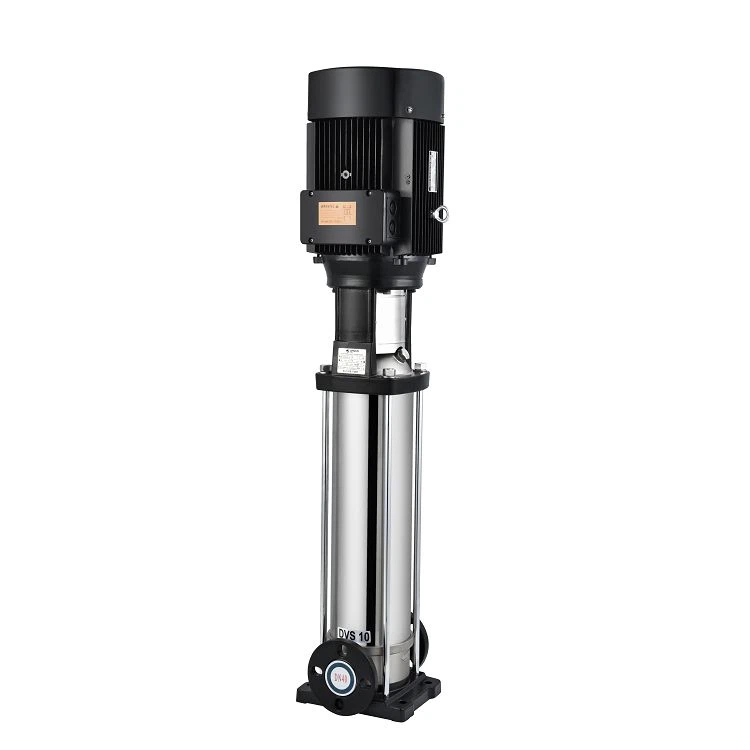

Troubleshooting
Even with regular maintenance, problems can still occur. Here are some common issues and how to troubleshoot them:
Low Flow Rate: As mentioned earlier, a low flow rate could be due to a clogged impeller, a leak in the system, or a problem with the intake strainer. Check these components and clean or repair them as needed.
Excessive Vibrations: Excessive vibrations can be caused by misalignment, loose parts, or a damaged impeller. Check the alignment, tighten any loose parts, and inspect the impeller for damage.
Overheating: Overheating can be due to over - lubrication, a blocked cooling system, or a problem with the motor. Check the lubrication levels, clean the cooling system, and inspect the motor for any issues.
Now, if you're in the market for a new vertical pump, we've got some great options. Check out our Stainless Steel Multistage Centrifugal Pump, Light Vertical Multistage Centrifugal Pump, and Vertical Inline Multistage Centrifugal Pump. These pumps are built to last and are designed for optimal performance.
If you have any questions about our pumps or need help with maintenance, don't hesitate to reach out. We're here to assist you in making the right choice for your needs and ensuring that your pump runs smoothly for years to come. Whether you're a small business or a large industrial operation, we've got the expertise and the products to meet your requirements. So, let's start a conversation and see how we can work together!
References
- "Pump Handbook" by Igor J. Karassik et al.
- Manufacturer's manuals for vertical turbine pumps.