




What are the disadvantages of vertical pumps?
 Oct 06, 2025|
 Hey there! I'm a supplier of vertical pumps, and today I wanna have an open and honest chat about the disadvantages of vertical pumps. Now, don't get me wrong, vertical pumps have their perks, but like any piece of equipment, they're not without their drawbacks.
Installation and Space Requirements
One of the first things you'll notice when dealing with vertical pumps is the installation process. It can be a real headache. Unlike horizontal pumps, vertical pumps need to be installed vertically, which means you gotta have a proper vertical space. You can't just plop it down anywhere. This can be a major issue if you're working in a cramped or oddly - shaped area. For example, in some industrial settings where space is at a premium, finding the right spot for a vertical pump can be a real challenge.
Also, the installation of vertical pumps often requires more specialized equipment and expertise. You need to make sure the pump is perfectly aligned vertically. Any misalignment can lead to all sorts of problems down the line, like excessive vibration and premature wear and tear on the pump components. And let's not forget about the cost of installation. With the need for specialized equipment and skilled labor, the installation of a vertical pump can be significantly more expensive compared to a horizontal pump.
Maintenance Challenges
Maintenance is another area where vertical pumps can be a pain. Accessing the internal components of a vertical pump is not as straightforward as it is with a horizontal pump. In a horizontal pump, you can usually just open up the access panels and get to the parts you need to work on. But with a vertical pump, you might have to remove a lot of other components or even the entire pump from its installation to reach the parts that need maintenance.
The vertical design also means that gravity can work against you when it comes to maintenance. For instance, if you're trying to remove a worn - out impeller, the weight of the impeller and other components above it can make the removal process more difficult. And if there's any fluid in the pump, it can drain out in an uncontrolled way during maintenance, creating a mess and potentially causing safety hazards.
Cavitation Risks
Cavitation is a big problem for vertical pumps. Cavitation occurs when the pressure in the liquid drops below its vapor pressure, causing vapor bubbles to form. These bubbles then collapse when they reach a higher - pressure area, creating shock waves that can damage the pump components.
In vertical pumps, the risk of cavitation is often higher because of the way the liquid is fed into the pump. The vertical orientation can sometimes lead to uneven flow distribution, which can cause local pressure drops and increase the likelihood of cavitation. Cavitation not only damages the pump impeller and other internal parts but also reduces the pump's efficiency. Over time, the damage caused by cavitation can be so severe that the pump needs to be replaced, which is a costly affair.
Limited Flow and Head Range
Vertical pumps typically have a more limited flow and head range compared to some other types of pumps. The design of vertical pumps restricts the amount of fluid they can handle and the pressure they can generate. If you need a pump that can handle a high - flow rate or generate a very high head, a vertical pump might not be the best choice.
For example, in large - scale water supply systems or industrial processes that require a massive amount of fluid to be moved at high pressure, vertical pumps may struggle to meet the demand. You might end up having to install multiple vertical pumps in parallel or series to achieve the desired flow and head, which adds to the complexity and cost of the system.
Noise and Vibration
Vertical pumps can be quite noisy and prone to vibration. The vertical design and the way the pump operates can cause significant vibrations, especially if the pump is not properly installed or maintained. These vibrations can not only be annoying but also cause damage to the surrounding equipment and structures.
The noise generated by a vertical pump can also be a problem, especially in environments where noise levels need to be kept low, like hospitals or residential areas. You may need to invest in additional noise - reducing equipment, such as sound - proof enclosures, to mitigate the noise issue, which again adds to the overall cost.
Higher Initial Cost
When it comes to the initial purchase price, vertical pumps are generally more expensive than horizontal pumps. The specialized design and the materials used in vertical pumps contribute to their higher cost. If you're on a tight budget, the higher upfront cost of a vertical pump can be a deterrent.
However, it's important to note that while the initial cost is higher, the long - term performance and reliability of a vertical pump can sometimes justify the expense. But for some applications where cost is a major factor, the higher initial cost of a vertical pump can make it a less attractive option.
Corrosion and Erosion
Vertical pumps are often exposed to harsh environments, which can lead to corrosion and erosion. The vertical orientation can cause fluids to flow in a way that increases the likelihood of corrosion and erosion on the pump components. For example, in applications where the pump is handling corrosive liquids, the vertical design can allow the liquid to pool in certain areas, increasing the contact time between the liquid and the pump material and accelerating corrosion.
Erosion can also be a problem, especially if the pumped fluid contains abrasive particles. The vertical flow can cause these particles to impact the pump components at high speeds, wearing them down over time. This not only reduces the pump's efficiency but also shortens its lifespan.
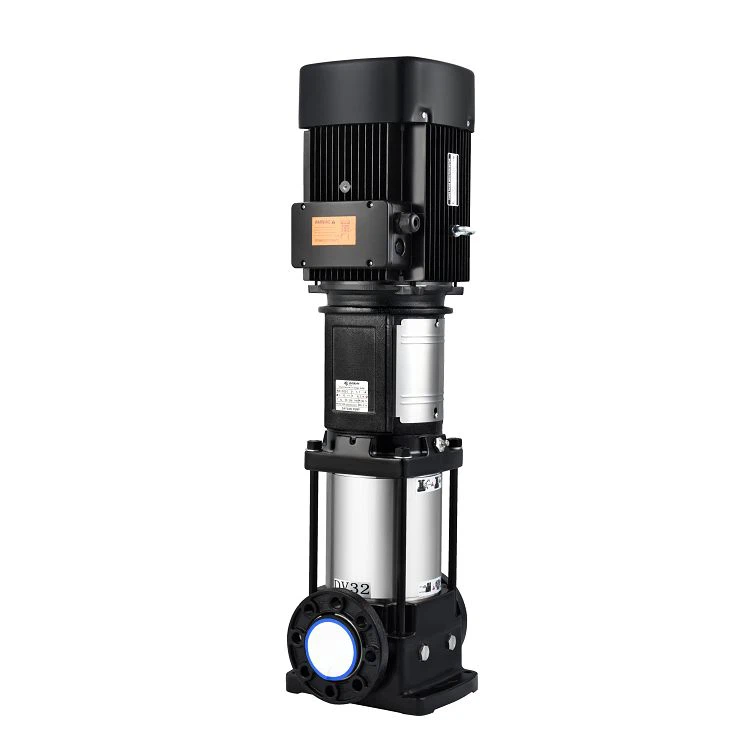
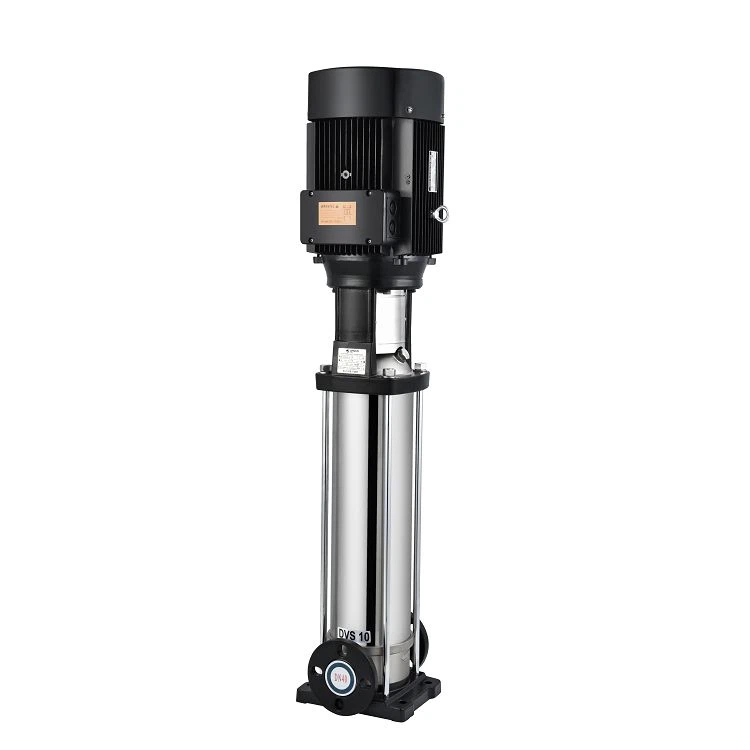
Despite all these disadvantages, vertical pumps still have their place in many applications. At our company, we offer a range of vertical pumps, including the Vertical Inline Multistage Centrifugal Pump, Light Vertical Multistage Centrifugal Pump, and Stainless Steel Multistage Centrifugal Pump. We understand the challenges that come with vertical pumps, and we're here to help you make the right choice for your specific needs.
If you're considering purchasing a vertical pump or have any questions about how to overcome the disadvantages we've discussed, don't hesitate to reach out. We're always happy to have a chat and help you find the best solution for your pumping requirements.
References
- "Pump Handbook" by Igor J. Karassik et al.
- "Centrifugal Pumps: Design and Application" by Stepanoff A. J.