




What are the safety precautions when operating a vertical pump?
 Nov 04, 2025|
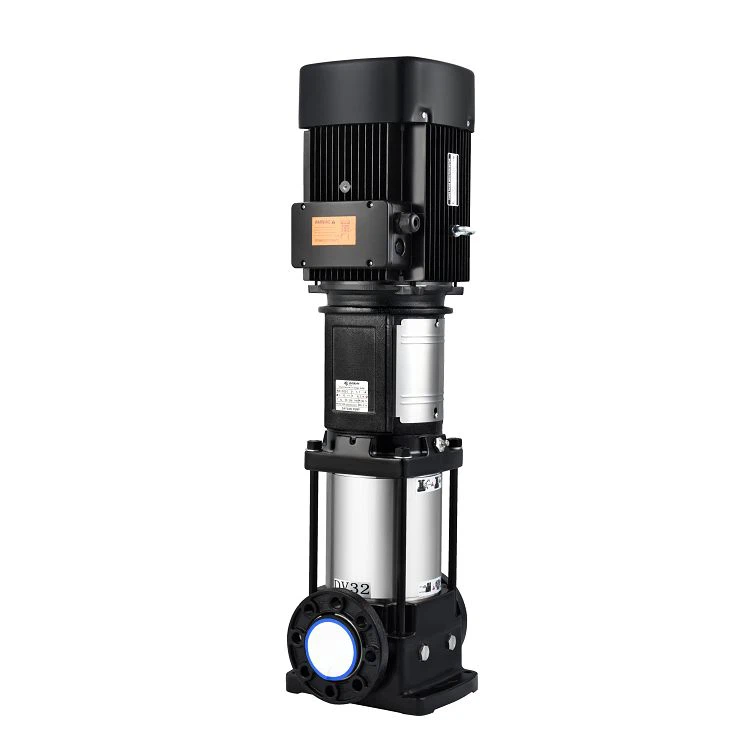
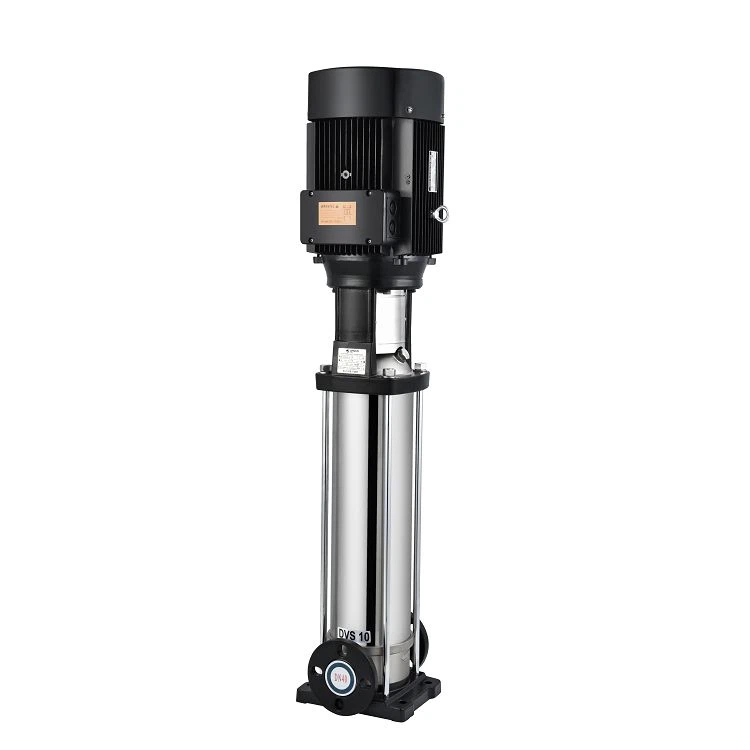
 When it comes to operating a vertical pump, safety is of paramount importance. As a supplier of a wide range of vertical pumps, including the Vertical Inline Multistage Centrifugal Pump, Stainless Steel Multistage Centrifugal Pump, and Light Vertical Multistage Centrifugal Pump, I understand the significance of adhering to strict safety precautions. In this blog post, I will delve into the key safety measures that operators should take when working with vertical pumps.
Pre - operation Safety Checks
Before starting the vertical pump, a series of thorough checks must be carried out. First and foremost, visually inspect the pump for any signs of physical damage. This includes looking for cracks in the casing, loose bolts, or any other visible defects. A damaged pump can lead to leaks, reduced performance, and in some cases, pose a significant safety hazard.
Next, check the alignment of the pump and the motor. Misalignment can cause excessive vibration, which not only shortens the lifespan of the pump components but also increases the risk of mechanical failure. Use appropriate alignment tools to ensure that the pump and motor are properly aligned according to the manufacturer's specifications.
The lubrication system is another critical aspect to examine. Make sure that the lubricant levels are within the recommended range. Insufficient lubrication can cause overheating and premature wear of the bearings, while over - lubrication can lead to seal damage and other problems. Check the quality of the lubricant as well; if it appears dirty or contaminated, it should be replaced.
Verify the electrical connections of the pump. Ensure that all wires are properly insulated, and there are no exposed conductors. Loose or faulty electrical connections can cause short circuits, electrical shocks, or even fires. Also, check the grounding of the pump to prevent electrical hazards.
Personal Protective Equipment (PPE)
Operators must wear the appropriate personal protective equipment at all times when operating a vertical pump. Safety glasses are essential to protect the eyes from flying debris, splashes of fluids, or dust. In environments where there is a risk of chemical exposure, chemical - resistant goggles should be used.
Hearing protection is necessary, especially in areas where the pump generates high levels of noise. Prolonged exposure to loud noise can cause permanent hearing damage. Earplugs or earmuffs should be worn to reduce the noise levels to a safe range.
Gloves are also a must - have. Depending on the nature of the fluid being pumped, different types of gloves may be required. For example, if the fluid is corrosive, chemical - resistant gloves should be worn. If the pump components are hot, heat - resistant gloves will protect the hands from burns.
A safety helmet should be worn in areas where there is a risk of falling objects. This is particularly important in industrial settings where maintenance work may be carried out above the pump.
Operating Procedures
During the operation of the vertical pump, follow the correct start - up and shut - down procedures. Start the pump gradually, allowing it to reach its normal operating speed smoothly. Abrupt starts can cause water hammer, which is a pressure surge in the piping system that can damage the pump, valves, and pipes.
Monitor the pump's performance closely. Keep an eye on the pressure gauges, flow meters, and temperature sensors. Any significant deviations from the normal operating parameters may indicate a problem. For example, a sudden drop in pressure could mean a leak in the system, while an increase in temperature may suggest overheating.
Avoid overloading the pump. Do not exceed the maximum flow rate or pressure ratings specified by the manufacturer. Overloading can cause the pump to overheat, damage the motor, and reduce the overall efficiency of the system.
If the pump experiences abnormal vibrations or noises during operation, stop the pump immediately. These could be signs of a serious problem, such as a worn - out bearing or a misaligned impeller. Continuing to operate the pump under these conditions can lead to catastrophic failure.
Maintenance and Inspection
Regular maintenance is crucial for the safe and efficient operation of a vertical pump. Establish a maintenance schedule and adhere to it strictly. This includes tasks such as cleaning the pump, replacing worn - out parts, and performing preventive maintenance checks.
Inspect the seals of the pump regularly. Leaking seals can allow fluids to escape, which can be hazardous depending on the nature of the fluid. Replace any worn or damaged seals promptly to prevent leaks.
The impeller is a key component of the pump. Check it for signs of wear or damage. A damaged impeller can reduce the pump's performance and cause uneven flow. If necessary, replace the impeller with a new one that is compatible with the pump model.
Keep the pump and its surrounding area clean. Remove any debris, dirt, or fluids that may accumulate around the pump. A clean environment not only improves the pump's performance but also reduces the risk of slips, trips, and falls.
Emergency Procedures
In case of an emergency, operators should be familiar with the emergency shutdown procedures. There should be clearly marked emergency stop buttons or switches near the pump. In the event of a fire, electrical problem, or any other serious issue, press the emergency stop button immediately to cut off the power to the pump.
Have a fire extinguisher nearby that is suitable for the type of fire that may occur in the pump area. For example, if the pump is used with flammable fluids, a dry - chemical or foam fire extinguisher should be available.
In case of a fluid spill, follow the appropriate spill - response procedures. This may involve containing the spill, using absorbent materials to clean it up, and disposing of the contaminated materials properly.
Training and Education
All operators should receive comprehensive training on the safe operation of vertical pumps. The training should cover the pre - operation checks, the use of PPE, the correct operating procedures, and the emergency response protocols.
Provide refresher training courses regularly to keep the operators updated on the latest safety practices and any changes in the pump technology. Encourage operators to ask questions and share their experiences to improve the overall safety of the operation.
Conclusion
Operating a vertical pump safely requires a combination of proper pre - operation checks, the use of personal protective equipment, adherence to correct operating procedures, regular maintenance, and well - defined emergency procedures. By following these safety precautions, operators can minimize the risk of accidents, ensure the longevity of the pump, and maintain a safe working environment.
If you are in the market for a high - quality vertical pump or need more information on pump safety, we are here to help. Our team of experts can provide you with detailed guidance on choosing the right pump for your application and offer support on safety best practices. Contact us to start a procurement discussion and take the first step towards a reliable and safe pumping solution.
References
- Pump Handbook, McGraw - Hill
- OSHA Guidelines for Industrial Pump Safety
- Manufacturer's Manuals for Vertical Pumps