




What is the function of the motor in a vertical pump?
 Aug 05, 2025|
The motor in a vertical pump plays a pivotal and multi - faceted role in ensuring the efficient and reliable operation of the pump. As a leading vertical pump supplier, I've witnessed firsthand the importance of understanding how the motor functions within the overall system. In this blog, we'll delve deep into the functions of the motor in a vertical pump and how it impacts the performance of different types of vertical pumps.
1. Power Generation
The most fundamental function of the motor in a vertical pump is to generate the power needed to drive the pump. Vertical pumps are used in a wide range of applications, from water supply and drainage in buildings to industrial processes such as chemical transfer and wastewater treatment. In each of these scenarios, the motor provides the mechanical energy required to move the fluid.
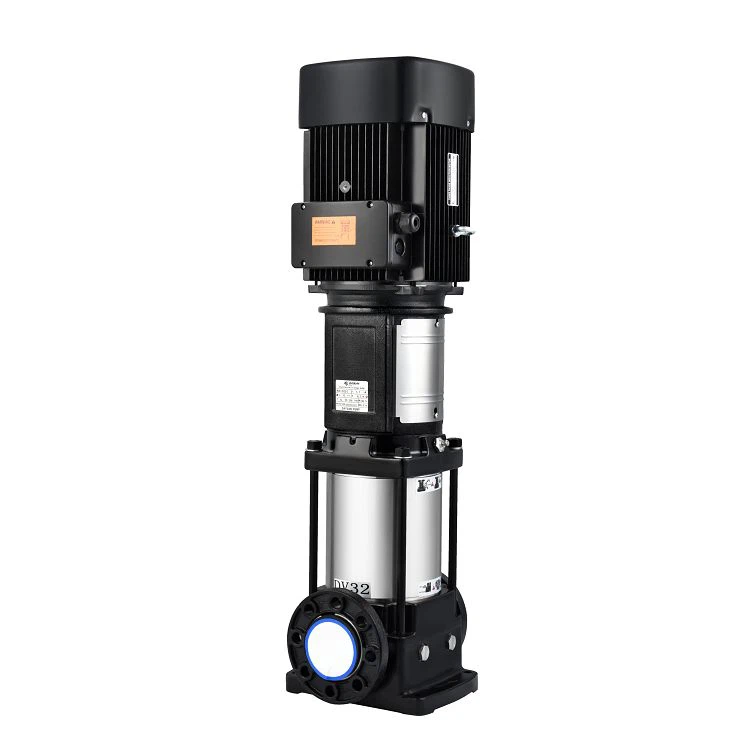
For example, in a Stainless Steel Multistage Centrifugal Pump, the motor spins the impellers at high speeds. The impellers, in turn, create a centrifugal force that draws the fluid into the pump and then propels it out at a higher pressure. The power output of the motor is carefully matched to the requirements of the pump. If the motor is under - powered, the pump may not be able to achieve the desired flow rate or pressure. On the other hand, an over - powered motor can lead to increased energy consumption and unnecessary wear and tear on the pump components.

2. Speed Control
The motor also allows for control of the pump's speed. Different applications require different flow rates and pressures, and the motor speed can be adjusted accordingly. In modern vertical pumps, variable frequency drives (VFDs) are often used in conjunction with the motor. A VFD can change the frequency of the electrical power supplied to the motor, which in turn changes the motor's speed.
In a Light Vertical Multistage Centrifugal Pump, speed control is crucial. For instance, in a domestic water supply system, the demand for water varies throughout the day. During peak hours, the pump may need to operate at a higher speed to meet the increased demand. At other times, a lower speed can be sufficient. By adjusting the motor speed, the pump can operate more efficiently, saving energy and reducing operating costs.
3. Torque Generation
Torque is the rotational force that the motor applies to the pump shaft. In a vertical pump, the motor needs to generate enough torque to start the pump and keep it running smoothly. When the pump is first started, it may encounter resistance from the fluid, especially if the fluid is viscous or the pump has been idle for a long time. The motor must be able to overcome this initial resistance and bring the pump up to its operating speed.
In a Vertical Inline Multistage Centrifugal Pump, which is often used in high - pressure applications, the motor needs to generate a high amount of torque. The multiple stages in the pump increase the pressure requirements, and the motor must be capable of providing the necessary torque to drive the impellers in each stage. Without sufficient torque, the pump may stall or operate inefficiently, leading to reduced performance and potential damage to the pump.
4. Direction of Rotation
The motor determines the direction of rotation of the pump impellers. In most vertical pumps, the impellers need to rotate in a specific direction to create the correct flow pattern. The motor is designed to ensure that the impellers rotate in the intended direction. Incorrect rotation can lead to reduced pump efficiency, as the fluid may not be properly drawn into the pump or propelled out.
In some cases, the direction of rotation can also affect the pump's ability to prime. Priming is the process of filling the pump with fluid before starting it. If the impellers are rotating in the wrong direction, the pump may not be able to prime properly, resulting in air being trapped in the pump and reduced performance.
5. Reliability and Durability
The reliability and durability of the motor are essential for the long - term performance of the vertical pump. As a vertical pump supplier, we understand that our customers rely on the pumps to operate continuously in various environments. The motor is built to withstand the rigors of these operating conditions.
Motors are typically designed with high - quality materials and advanced manufacturing techniques. They are protected against factors such as moisture, dust, and temperature variations. For example, in a vertical pump used in a wastewater treatment plant, the motor may be exposed to corrosive chemicals and high levels of humidity. A well - designed motor will have appropriate sealing and insulation to prevent damage from these elements.
6. Integration with the Pump System
The motor is an integral part of the vertical pump system. It is designed to work seamlessly with other components of the pump, such as the impellers, bearings, and seals. The motor's mounting and coupling are carefully engineered to ensure proper alignment with the pump shaft. Any misalignment can lead to increased vibration, noise, and premature wear of the components.
In addition, the motor is often connected to a control system that monitors the pump's performance. The control system can adjust the motor's operation based on factors such as flow rate, pressure, and temperature. This integration allows for more precise control of the pump and helps to prevent issues such as overloading or overheating.
Conclusion
The motor in a vertical pump is a critical component that performs multiple functions. From generating power and controlling speed to providing torque and determining the direction of rotation, the motor has a direct impact on the pump's performance, efficiency, and reliability. As a vertical pump supplier, we are committed to providing high - quality motors that are designed to meet the diverse needs of our customers.
If you are in the market for a vertical pump or have any questions about the function of the motor in a vertical pump, we invite you to contact us for a detailed discussion. Our team of experts is ready to assist you in selecting the right pump and motor combination for your specific application. Whether you need a Stainless Steel Multistage Centrifugal Pump, a Light Vertical Multistage Centrifugal Pump, or a Vertical Inline Multistage Centrifugal Pump, we can provide you with the best solutions.
References
- Karassik, I. J., Messina, J. P., Cooper, P., & Heald, C. C. (2008). Pump Handbook. McGraw - Hill.
- Stepanoff, A. J. (1957). Centrifugal and Axial Flow Pumps: Theory, Design, and Application. John Wiley & Sons.