




What is the pressure control method of a vertical pump?
 Oct 14, 2025|
 Pressure control in vertical pumps is a critical aspect that directly impacts their performance, efficiency, and reliability. As a reputable supplier of vertical pumps, we understand the significance of effective pressure control methods. In this blog post, we will delve into the various pressure control methods for vertical pumps, exploring their principles, applications, and advantages.

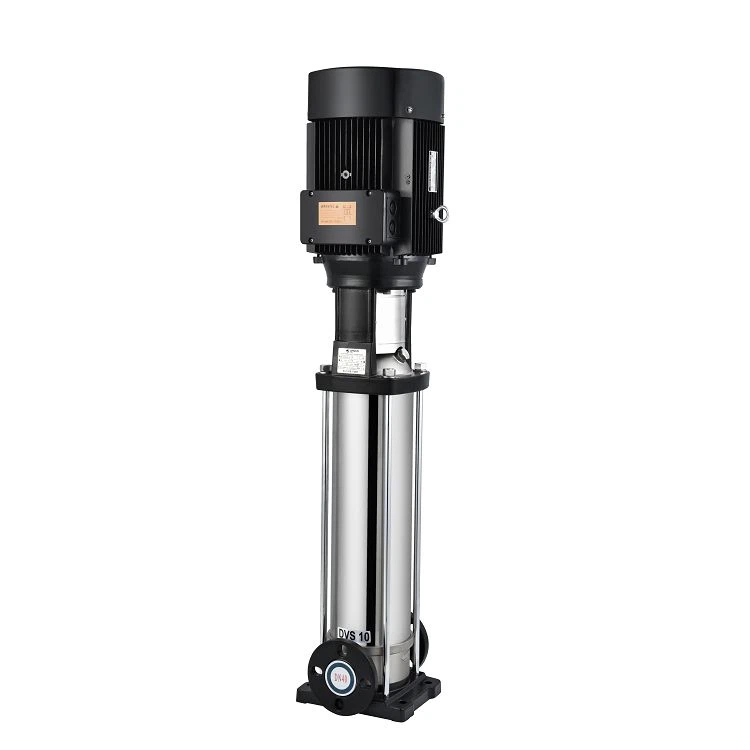
Importance of Pressure Control in Vertical Pumps
Vertical pumps are widely used in various industries, including water supply, wastewater treatment, power generation, and chemical processing. In these applications, maintaining the appropriate pressure is essential for ensuring the proper functioning of the pump and the overall system. Incorrect pressure can lead to a range of issues, such as reduced flow rate, increased energy consumption, premature wear and tear of pump components, and even system failure. Therefore, implementing effective pressure control methods is crucial to optimize pump performance and extend its service life.
Common Pressure Control Methods for Vertical Pumps
1. Throttle Valve Control
Throttle valve control is one of the simplest and most commonly used pressure control methods for vertical pumps. It involves adjusting the flow rate by partially closing or opening a throttle valve installed in the pump discharge line. When the valve is closed, the flow resistance increases, which in turn increases the pressure at the pump outlet. Conversely, opening the valve reduces the flow resistance and decreases the pressure.
The advantage of throttle valve control is its simplicity and low cost. It can be easily implemented in existing systems without significant modifications. However, this method has some limitations. As the valve is throttled, the pump operates at a point away from its best efficiency point (BEP), resulting in increased energy consumption. Additionally, throttling the valve can cause cavitation in the pump, which can damage the impeller and other internal components.
2. Variable Frequency Drive (VFD) Control
Variable frequency drive (VFD) control is a more advanced and efficient pressure control method for vertical pumps. A VFD is an electronic device that adjusts the speed of the pump motor by varying the frequency of the electrical power supplied to the motor. By changing the motor speed, the pump flow rate and pressure can be precisely controlled.
When the demand for flow or pressure decreases, the VFD reduces the motor speed, which in turn reduces the pump flow rate and pressure. Conversely, when the demand increases, the VFD increases the motor speed to meet the required flow and pressure. This method allows the pump to operate at or near its BEP, resulting in significant energy savings compared to throttle valve control.
Another advantage of VFD control is its ability to provide smooth and precise control of the pump operation. It can also protect the pump from overloading and other electrical faults. However, the initial cost of a VFD is relatively high, and it requires proper installation and maintenance.
3. Bypass Control
Bypass control is a pressure control method that involves diverting a portion of the pump discharge flow back to the pump suction or a lower-pressure point in the system. This is achieved by installing a bypass line with a control valve between the pump discharge and suction lines.
When the pressure at the pump outlet exceeds the desired level, the bypass valve opens, allowing some of the flow to bypass the system and return to the pump suction. This reduces the flow rate through the system and maintains the pressure at the desired level. Bypass control is often used in applications where the flow demand varies widely, and it can help to prevent overpressure in the system.
The advantage of bypass control is its ability to maintain a constant pressure in the system regardless of the flow demand. It also allows the pump to operate at or near its BEP, resulting in improved energy efficiency. However, this method requires additional piping and valves, which increases the initial cost and complexity of the system.
4. Pressure Relief Valve Control
Pressure relief valve control is a safety mechanism used to protect the pump and the system from overpressure. A pressure relief valve is a mechanical device that opens automatically when the pressure at the valve inlet exceeds a preset value. When the valve opens, it releases the excess pressure by diverting the flow to a safe location, such as a tank or a drain.
Pressure relief valves are typically installed in the pump discharge line or other critical points in the system where overpressure may occur. They are designed to open quickly and relieve the pressure before it reaches a dangerous level. Once the pressure drops below the preset value, the valve closes automatically.
The advantage of pressure relief valve control is its reliability and simplicity. It provides a fail-safe mechanism to protect the pump and the system from damage due to overpressure. However, it does not provide continuous pressure control and is only used as a safety measure.
Choosing the Right Pressure Control Method
The choice of pressure control method for a vertical pump depends on several factors, including the application requirements, system characteristics, and cost considerations. Here are some guidelines to help you choose the right method:
- Application Requirements: Consider the range of flow and pressure requirements in the application. If the demand varies widely, a method that can provide precise control over a wide range of operating conditions, such as VFD control, may be more suitable. If the demand is relatively constant, a simpler method, such as throttle valve control, may be sufficient.
- System Characteristics: Evaluate the system layout, pipe diameter, and friction losses. A system with high friction losses may require a more powerful pump and a more efficient pressure control method to achieve the desired flow and pressure. Additionally, consider the presence of other equipment in the system, such as heat exchangers or filters, which may affect the pump performance.
- Cost Considerations: Compare the initial cost, operating cost, and maintenance cost of different pressure control methods. While VFD control may offer significant energy savings in the long run, it has a higher initial cost compared to throttle valve control. Consider your budget and the expected payback period when making a decision.
Our Vertical Pump Solutions
As a leading supplier of vertical pumps, we offer a wide range of products and solutions to meet your pressure control needs. Our Vertical Inline Multistage Centrifugal Pump is designed for high-pressure applications and can be equipped with various pressure control methods, including VFD control, to ensure optimal performance and energy efficiency. Our Light Vertical Multistage Centrifugal Pump is a compact and lightweight solution suitable for small to medium-sized applications. It can be easily integrated with a throttle valve or a VFD for pressure control.
In addition, our Stainless Steel Multistage Centrifugal Pump is ideal for applications where corrosion resistance is required. It can be customized with different pressure control options to meet the specific requirements of your system.
Contact Us for Purchase and Consultation
If you are interested in our vertical pump products or need more information about pressure control methods, please feel free to contact us. Our team of experts will be happy to assist you in selecting the right pump and pressure control solution for your application. We can also provide technical support, installation, and maintenance services to ensure the reliable operation of your pump system.
References
- Karassik, I. J., Messina, J. P., Cooper, P. T., & Heald, C. C. (2008). Pump Handbook. McGraw-Hill.
- Stepanoff, A. J. (1957). Centrifugal and Axial Flow Pumps: Theory, Design, and Application. Wiley.
- Hydraulic Institute. (2012). ANSI/HI 9.6.3-2012 Rotodynamic Pumps – Guideline for NPSH Margin.