




What tools are needed to test a Deep Well Motor?
 Oct 01, 2025|
 As a supplier of Deep Well Motors, I've had my fair share of experiences in the industry. Testing these motors is super important to make sure they're up to snuff and ready to hit the market. In this blog, I'll chat about the tools you need to test a Deep Well Motor.
First off, let's talk about why testing is such a big deal. Deep Well Motors are used in all sorts of applications, like pumping water from deep underground for homes, farms, and industries. If a motor fails, it can cause a whole bunch of problems, from water shortages to costly repairs. So, proper testing helps us catch any issues early on and ensure that our motors are reliable and efficient.
Now, let's get into the tools.
Multimeter
A multimeter is like the Swiss Army knife of electrical testing. It's a must - have tool for testing Deep Well Motors. You can use it to measure voltage, current, and resistance. When testing a motor, you'll want to check the voltage at the motor terminals to make sure it's within the correct range. If the voltage is too high or too low, it can cause the motor to overheat or not run properly.
You can also use the multimeter to measure the resistance of the motor windings. A short circuit or an open circuit in the windings can indicate a problem with the motor. For example, if the resistance of a winding is much lower than the specified value, it could mean there's a short circuit. On the other hand, if the resistance is infinite, it might indicate an open circuit. You can find more about our Deep Well Motor on our website.
Insulation Resistance Tester
Another important tool is the insulation resistance tester, also known as a megger. This tool is used to measure the insulation resistance of the motor windings. The insulation in a motor is crucial because it prevents the electrical current from leaking out and causing a short circuit or an electrical shock.
Over time, the insulation can degrade due to factors like heat, moisture, and vibration. By using an insulation resistance tester, you can check if the insulation is still in good condition. A low insulation resistance value can indicate that the insulation is damaged and needs to be replaced. Before you test, make sure the motor is disconnected from the power supply to avoid any electrical hazards.
Clamp - on Ammeter
A clamp - on ammeter is a handy tool for measuring the current flowing through the motor. Unlike a traditional ammeter, you don't have to break the circuit to measure the current. You simply clamp the ammeter around one of the motor's power leads.
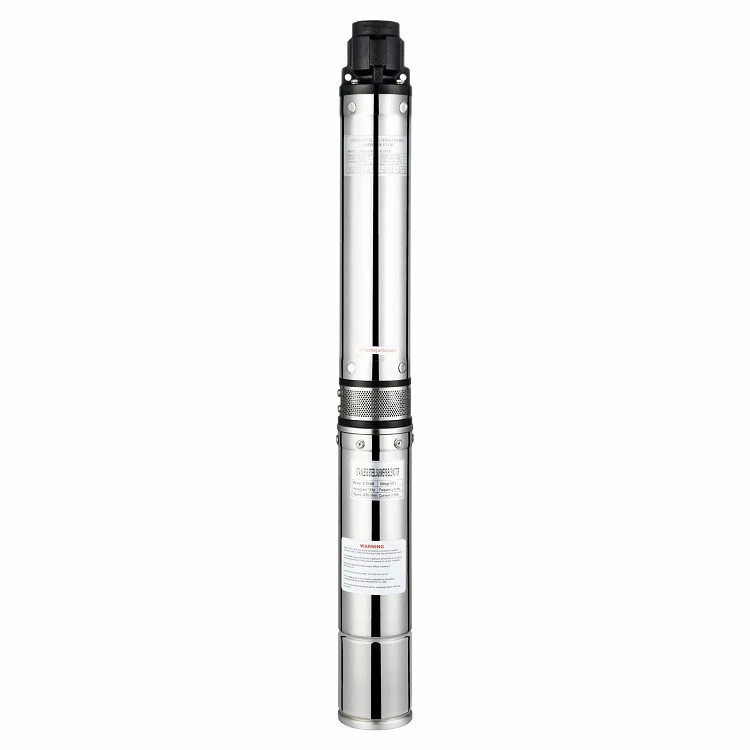
Monitoring the current is important because it can give you an idea of how hard the motor is working. If the current is too high, it could mean that the motor is overloaded or there's a problem with the load it's driving. For instance, if a 1hp Deep Well Submersible Water Pump is clogged, the motor might draw more current to try and keep running.

Temperature Gun
A temperature gun is used to measure the surface temperature of the motor. Motors generate heat when they're running, but if the temperature gets too high, it can damage the insulation and other components. By regularly checking the motor's temperature, you can detect any overheating issues early on.
You can point the temperature gun at different parts of the motor, like the windings and the bearings, to get an accurate reading. If the temperature is above the recommended operating range, you need to investigate the cause. It could be due to a problem with the ventilation, an overloaded motor, or a faulty component.
Vibration Analyzer
Vibration is another factor that can affect the performance and lifespan of a Deep Well Motor. Excessive vibration can cause the motor's components to wear out faster and can even lead to mechanical failure. A vibration analyzer is used to measure the vibration levels of the motor.
This tool can detect different types of vibrations, such as unbalance, misalignment, and bearing problems. By analyzing the vibration patterns, you can identify the root cause of the problem and take corrective action. For example, if the vibration is due to an unbalanced rotor, you can balance the rotor to reduce the vibration.
Pressure Gauge
If the Deep Well Motor is used to drive a pump, a pressure gauge is essential. It helps you measure the pressure at the pump outlet. The pressure can tell you a lot about the pump's performance. If the pressure is too low, it could mean that the pump is not pumping enough water or there's a blockage in the system.
On the other hand, if the pressure is too high, it can put extra stress on the motor and the pump components. By monitoring the pressure, you can ensure that the pump is operating within the correct pressure range. You can learn more about our Deep Well 12v DC Submersible Water Pump and how it works with the motor.
Flow Meter
A flow meter is used to measure the volume of water flowing through the pump. It's an important tool for determining the efficiency of the pump and the motor. If the flow rate is lower than expected, it could indicate a problem with the pump, such as a worn - out impeller or a clogged intake.
By comparing the flow rate with the motor's power consumption, you can calculate the pump's efficiency. If the efficiency is low, you might need to make some adjustments or replace some components to improve the performance.
In conclusion, testing a Deep Well Motor requires a combination of different tools. Each tool plays a crucial role in ensuring that the motor is operating safely and efficiently. As a supplier, we use these tools regularly to test our motors before they leave the factory. This way, we can provide our customers with high - quality products that they can rely on.
If you're in the market for a Deep Well Motor or have any questions about testing, feel free to reach out to us. We're always happy to help and discuss your specific needs. Whether you're looking for a small Deep Well 12v DC Submersible Water Pump or a more powerful 1hp Deep Well Submersible Water Pump, we've got you covered. Let's start a conversation and see how we can work together to meet your requirements.
References
- Electrical Testing Handbook
- Pump and Motor Maintenance Guide