




Can a vertical pump handle viscous fluids?
 Jul 15, 2025|
 As a supplier of vertical pumps, I often encounter inquiries from customers about the pump's ability to handle viscous fluids. Viscosity is a crucial factor that can significantly affect the performance of a pump. In this blog post, I'll explore whether a vertical pump can effectively handle viscous fluids, discuss the challenges involved, and highlight the solutions we offer at our company.
Understanding Viscosity and Its Impact on Pumps
Viscosity refers to a fluid's resistance to flow. Fluids with high viscosity, such as honey, syrup, or heavy oils, flow more slowly than low - viscosity fluids like water. When it comes to pumping, viscosity can have several profound effects on a pump's operation.
Hydraulic Efficiency
One of the primary impacts of viscosity on a pump is a reduction in hydraulic efficiency. As the fluid's viscosity increases, the frictional losses within the pump also increase. This means that more energy is required to move the fluid through the pump, resulting in a decrease in the pump's overall efficiency. For vertical pumps, which are designed to operate in a vertical orientation, the additional frictional forces due to high - viscosity fluids can put extra stress on the pump components.
Flow Rate and Head
Viscosity also affects the flow rate and head of a pump. Higher - viscosity fluids tend to reduce the flow rate that a pump can achieve. The pump has to work harder to overcome the resistance of the thick fluid, and as a result, the flow rate may drop significantly compared to when pumping a low - viscosity fluid. Similarly, the head, which is the height to which the pump can lift the fluid, is also affected. The increased resistance in the system can cause a decrease in the available head.
Cavitation
Cavitation is another concern when pumping viscous fluids. Cavitation occurs when the pressure in the pump drops below the vapor pressure of the fluid, causing vapor bubbles to form. These bubbles then collapse, leading to damage to the pump impeller and other components. High - viscosity fluids can exacerbate cavitation problems because they can impede the flow and cause pressure variations within the pump.
Can Vertical Pumps Handle Viscous Fluids?
The short answer is yes, vertical pumps can handle viscous fluids, but with certain limitations and considerations. Different types of vertical pumps have varying capabilities when it comes to pumping viscous substances.
Centrifugal Vertical Pumps
Centrifugal vertical pumps are widely used in various industries. These pumps work by using an impeller to impart kinetic energy to the fluid, which is then converted into pressure energy. While centrifugal pumps are generally more suitable for low - viscosity fluids, they can be used for moderately viscous fluids with some modifications.
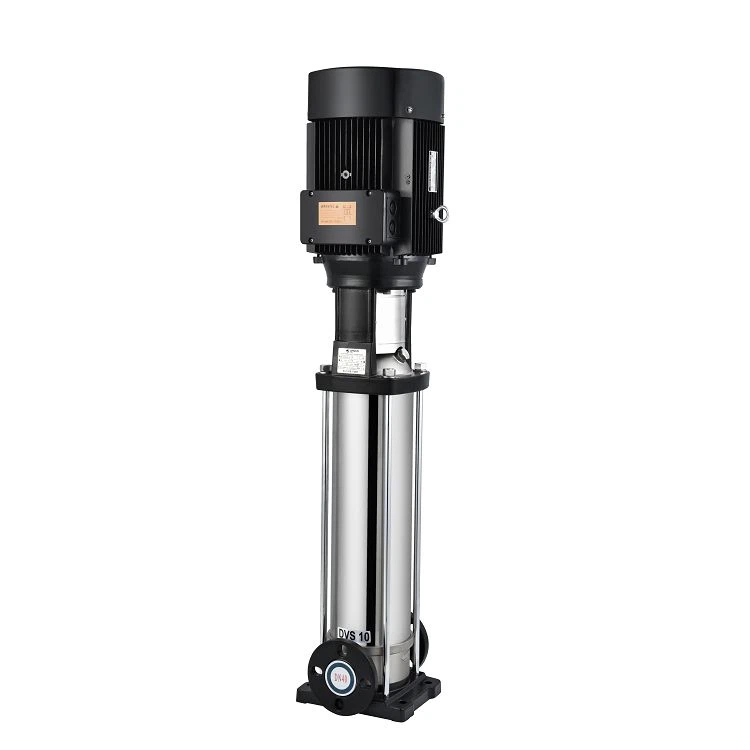
Our Stainless Steel Multistage Centrifugal Pump is designed to handle a range of fluids. For viscous fluids, the multistage design can help in generating sufficient pressure to move the thick fluid through the system. However, as the viscosity increases, the pump's performance may decline. To mitigate this, larger impellers or slower rotational speeds may be required. A larger impeller can provide more surface area to interact with the fluid, while a slower speed can reduce the frictional forces and the risk of cavitation.
Positive Displacement Vertical Pumps
Positive displacement vertical pumps, on the other hand, are better suited for handling highly viscous fluids. These pumps work by trapping a fixed amount of fluid and then forcing it into the discharge pipe. Examples of positive displacement pumps include piston pumps and diaphragm pumps. They can maintain a relatively constant flow rate regardless of the viscosity of the fluid, as long as the pump is properly sized and designed.
Challenges in Pumping Viscous Fluids with Vertical Pumps
Lubrication and Wear
Viscous fluids can pose challenges in terms of lubrication. In a vertical pump, the bearings and other moving parts rely on proper lubrication to reduce friction and wear. High - viscosity fluids may not provide adequate lubrication in the same way as low - viscosity fluids. This can lead to increased wear and tear on the pump components, shortening the pump's lifespan.
Priming
Priming is the process of filling the pump with fluid before starting it. For viscous fluids, priming can be more difficult because the thick fluid may not flow easily into the pump. Special priming techniques or equipment may be required to ensure that the pump is properly primed and ready for operation.
Heat Generation
As the pump works to move the viscous fluid, it generates heat due to the increased frictional forces. Excessive heat can cause the fluid to degrade and can also damage the pump components. Proper cooling mechanisms need to be in place to manage the heat generated during the pumping process.
Solutions for Pumping Viscous Fluids with Vertical Pumps
Pump Design Modifications
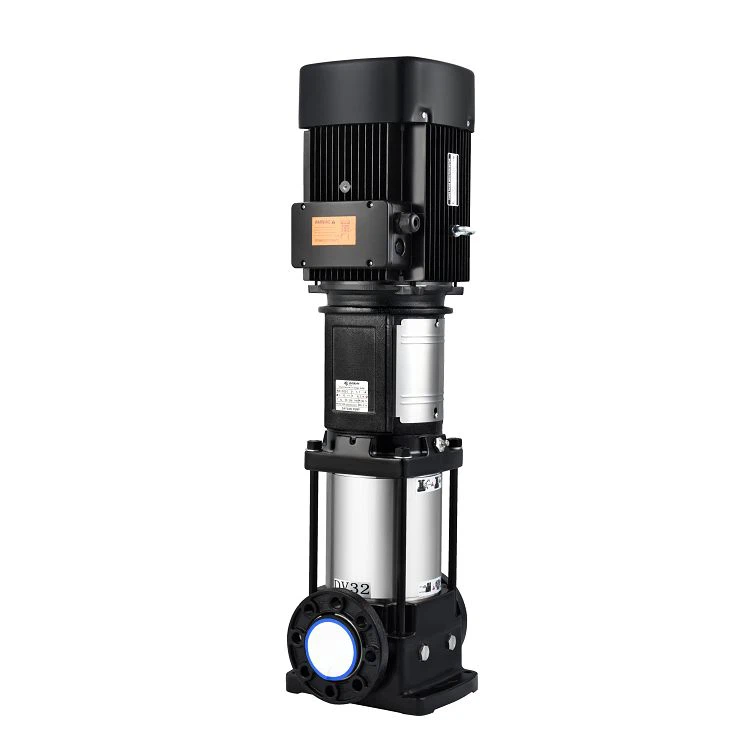
At our company, we offer a range of vertical pumps that can be customized to handle viscous fluids. For example, our Light Vertical Multistage Centrifugal Pump can be modified with larger impellers and more robust bearings to handle the additional stress caused by high - viscosity fluids. The impellers can be designed with a special profile to improve the interaction with the thick fluid and enhance the pump's performance.
Variable Speed Drives
Using variable speed drives (VSDs) is an effective solution for pumping viscous fluids. A VSD allows the pump to operate at different speeds depending on the viscosity of the fluid. When pumping a highly viscous fluid, the pump can be set to a lower speed to reduce the frictional forces and prevent cavitation. As the viscosity of the fluid decreases, the pump speed can be increased to maintain the desired flow rate and head.
Heating and Insulation
In some cases, heating the viscous fluid can reduce its viscosity and make it easier to pump. We can provide pumps with heating jackets or insulation to maintain the fluid at an optimal temperature. By reducing the viscosity, the pump can operate more efficiently, with improved flow rates and less wear on the components.
Conclusion
In conclusion, vertical pumps can handle viscous fluids, but it requires careful consideration of the fluid's viscosity and the pump's design. Our company, as a leading supplier of vertical pumps, offers a range of solutions to meet the challenges of pumping viscous fluids. Whether you need a Stainless Steel Multistage Centrifugal Pump, a Light Vertical Multistage Centrifugal Pump, or a Vertical Inline Multistage Centrifugal Pump, we have the expertise to provide you with the right pump for your application.
If you are facing challenges in pumping viscous fluids or need more information about our vertical pumps, we encourage you to reach out to us for a detailed consultation. Our team of experts can help you select the most suitable pump and provide solutions to optimize its performance.
References
- Karassik, I. J., Messina, J. P., Cooper, P. T., & Heald, C. C. (2008). Pump Handbook. McGraw - Hill Professional.
- Stepanoff, A. J. (1957). Centrifugal and Axial Flow Pumps: Theory, Design, and Application. John Wiley & Sons.