




What is the difference between a single - phase and three - phase Deep Well Motor?
 Oct 22, 2025|
 Hey there! As a supplier of Deep Well Motors, I often get asked about the difference between single - phase and three - phase deep well motors. It's a crucial topic, especially if you're in the market for a Deep Well Motor. So, let's dive right in and break it down.
Basic Concept
First off, let's understand what single - phase and three - phase mean. In simple terms, electricity can be delivered in different phases. A single - phase power supply has one alternating current (AC) waveform. It's like a single wave rolling in on the beach. On the other hand, a three - phase power supply has three AC waveforms that are 120 degrees out of phase with each other. It's more like three waves coming in at slightly different times, working together.
Power and Performance
One of the biggest differences between single - phase and three - phase deep well motors is their power output. Three - phase motors are generally more powerful. They can handle larger loads and are better suited for heavy - duty applications. If you have a large deep well that requires a lot of water to be pumped out quickly, a three - phase motor is probably your best bet.
For example, let's say you're running a big agricultural operation. You need to pump a large volume of water from a deep well to irrigate your fields. A three - phase deep well motor can handle this task much more efficiently than a single - phase one. It can provide a consistent and high - powered output, ensuring that your fields get the water they need in a timely manner.
Single - phase motors, on the other hand, are more suitable for smaller applications. If you have a small household well or a small - scale water supply system, a single - phase motor can do the job just fine. They are less powerful but are also more affordable and easier to install.
Efficiency
When it comes to efficiency, three - phase motors have the upper hand. They convert electrical energy into mechanical energy more effectively. This means that they use less electricity to do the same amount of work compared to single - phase motors. Over time, this can result in significant cost savings, especially if the motor is running for long periods.
Let's take a look at the math. Suppose you have a deep well motor that runs for 8 hours a day, 300 days a year. A three - phase motor might use 10% less electricity than a single - phase motor to achieve the same pumping capacity. Over the course of a year, that's a substantial amount of money saved on your electricity bill.
Starting Torque
Starting torque is another important factor to consider. Three - phase motors have a higher starting torque. This means that they can start up more easily, even under heavy loads. When you turn on a three - phase deep well motor, it can quickly reach its full operating speed and start pumping water.
Single - phase motors, however, often require additional starting mechanisms, such as capacitors, to generate enough torque to start. These additional components can add to the cost and complexity of the motor. And in some cases, if the load is too heavy, a single - phase motor might struggle to start or even fail to start altogether.
Cost
Cost is always a major consideration when choosing a deep well motor. Single - phase motors are generally cheaper to purchase. They also require less complex wiring and installation, which can save you money on labor costs. If you're on a tight budget and have a small - scale application, a single - phase motor is a cost - effective option.
Three - phase motors, on the other hand, are more expensive upfront. The motor itself is more costly, and the wiring and installation for a three - phase power supply are more complex. However, as we mentioned earlier, their higher efficiency can result in long - term cost savings.
Availability of Power Supply
The availability of a power supply is also a crucial factor. In some rural areas or remote locations, three - phase power may not be readily available. In such cases, a single - phase motor is the obvious choice. You can easily connect it to the existing single - phase power grid.
If you're in an urban or industrial area, three - phase power is usually more accessible. You can take advantage of the benefits of a three - phase deep well motor without having to worry about power supply issues.
Applications
Let's talk about some specific applications for each type of motor.
Single - phase motors:
- Residential use: For small households with a private well, a single - phase motor can provide enough water for daily use, such as drinking, cooking, and bathing.
- Small businesses: Small shops or offices that need a limited amount of water can also use single - phase deep well motors. For example, a small car wash or a beauty salon.
Three - phase motors:
- Agriculture: As mentioned earlier, large - scale agricultural operations rely on three - phase motors to pump water for irrigation.
- Industrial use: Factories and manufacturing plants that require a large volume of water for their production processes often use three - phase deep well motors. For instance, a textile factory or a food processing plant.
Compatibility with Pumps
It's also important to consider the compatibility of the motor with the pump. Some pumps are designed specifically for single - phase motors, while others work better with three - phase motors. Make sure to check the specifications of both the motor and the pump before making a purchase.
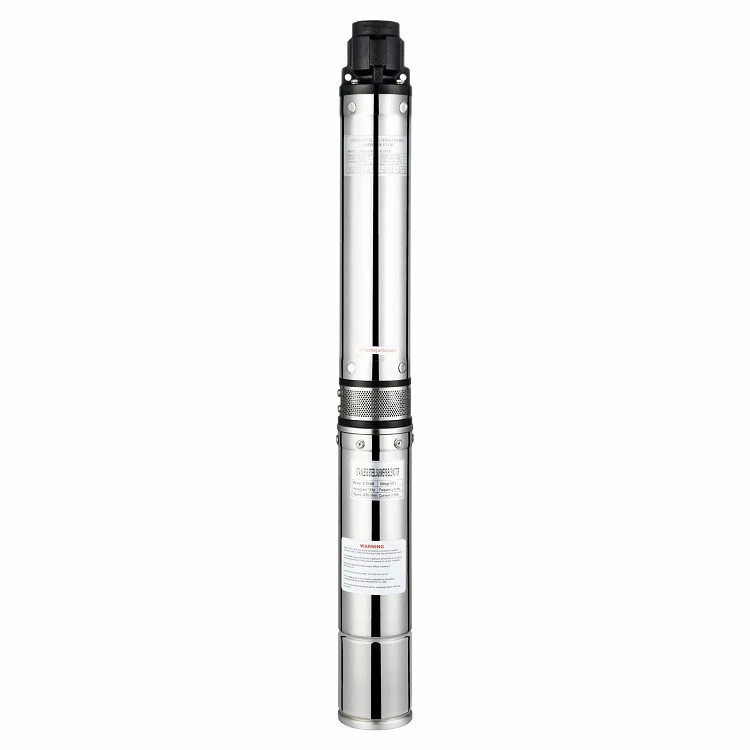
For example, if you have a Deep Well 12v DC Submersible Water Pump, it might be more compatible with a single - phase motor, especially if it's for a small - scale application. On the other hand, a DC Submersible Deep Well Pump used in a large - scale industrial setting might require a three - phase motor for optimal performance.

Maintenance
Maintenance is another aspect to think about. Single - phase motors are generally easier to maintain. They have fewer components, and the wiring is less complex. This means that if something goes wrong, it's usually easier to diagnose and fix.
Three - phase motors, while more reliable in the long run, may require more specialized maintenance. The complex wiring and higher - power components mean that you may need to call in a professional electrician for maintenance and repairs.
Conclusion
In conclusion, the choice between a single - phase and three - phase deep well motor depends on several factors, including your power requirements, budget, availability of power supply, and the specific application. If you have a small - scale operation and a limited budget, a single - phase motor is a great option. It's affordable, easy to install, and can meet your basic water - pumping needs.
However, if you have a large - scale operation that requires a high - powered and efficient motor, a three - phase motor is the way to go. It may cost more upfront, but its long - term benefits in terms of power, efficiency, and performance make it a worthwhile investment.
If you're still unsure which type of deep well motor is right for you, don't hesitate to reach out. As a supplier, we have the expertise to help you make the best choice for your specific situation. Whether you need a single - phase or three - phase motor, we can provide you with high - quality products and excellent service. Contact us today to start the procurement process and let's work together to find the perfect deep well motor for your needs.
References
- Electrical Engineering textbooks
- Industry reports on deep well motors
- Manufacturer's specifications for single - phase and three - phase deep well motors